Lumo and the Quiet Doubt Inside the System
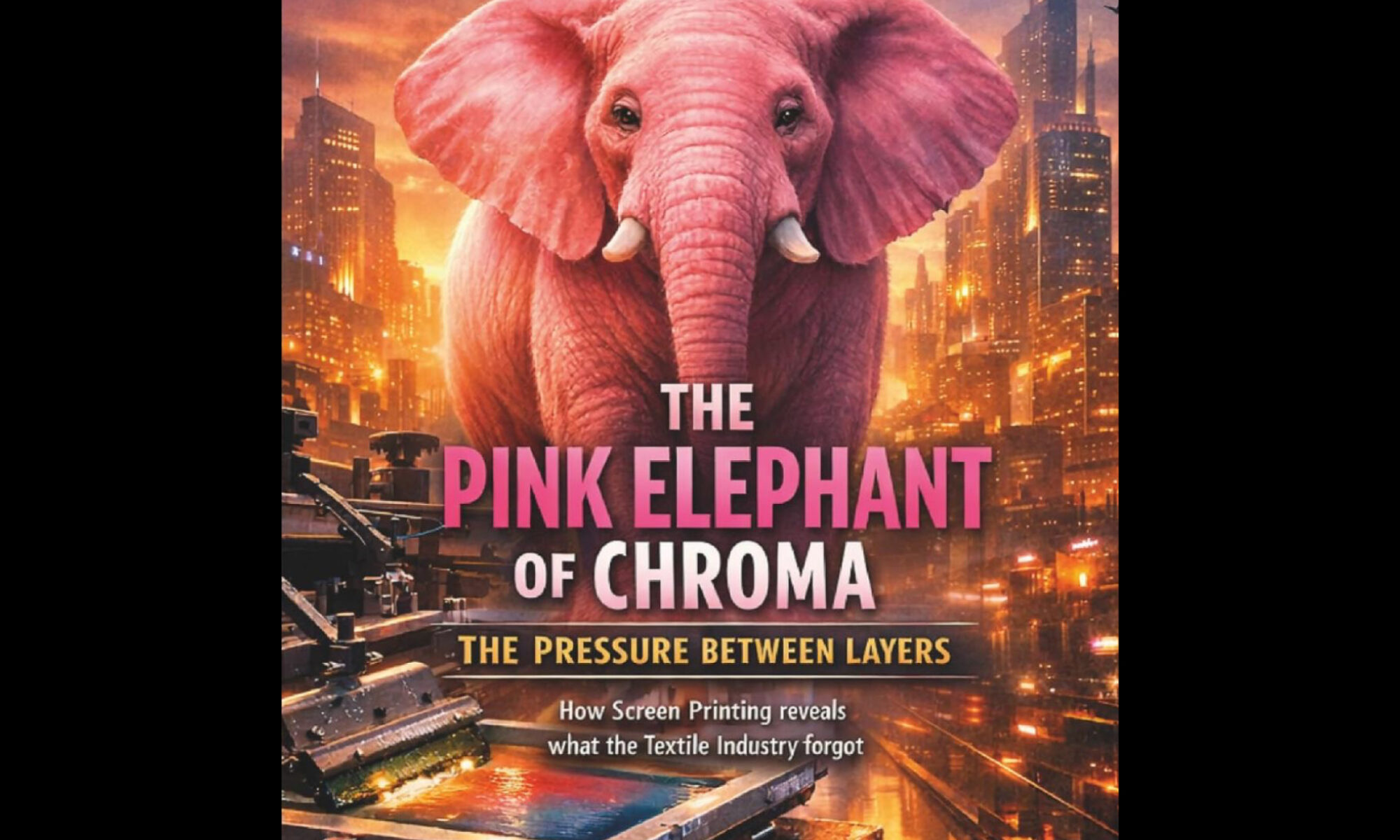
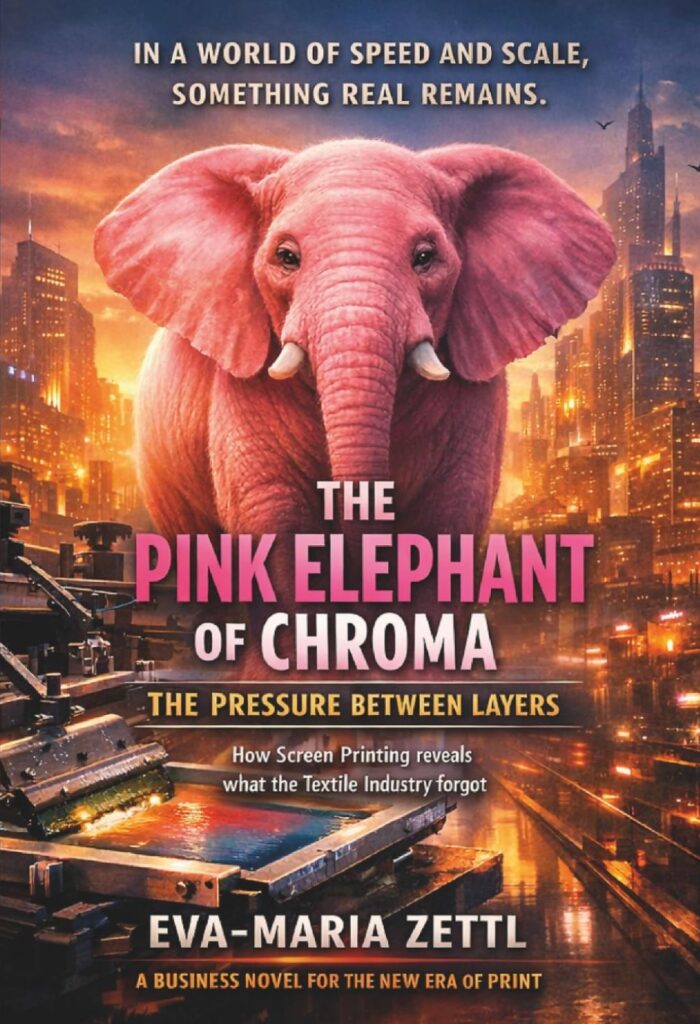
Through the eyes of Lumo, a quiet yet impossible-to-ignore presence, the book opens a new perspective on textile production. Lumo does not simply observe machines, materials, and methods. Lumo senses the tensions that emerge between the layers.
Between speed and experience.
Between scale and quality.
Between technology and human perception.
This is where the book becomes especially powerful. It does not treat textile printing as a purely technical choice, but as an interaction between material, method, purpose, and feeling. A print is never just a print. It is surface, touch, durability, color, memory, and brand message all at once.
DTF, DTG, and Screen Printing: No Single Method Wins Alone
In many conversations about textile printing, people search for the one best solution. DTF is increasingly dominating production because it is flexible, efficient, and versatile. DTG redefines softness and directness on the garment. Screen printing remains the silent foundation of craftsmanship, especially where durability, color depth, and classic production quality matter.
But “The Pressure between Layers” makes one thing clear:
The future does not belong to one single method.
It belongs to the people and companies who understand when each method truly matters.
Not every order needs maximum speed. Not every brand benefits from the same hand feel. Not every design demands the same technical process. And not every production decision should be judged only by how quickly it can be completed.
The real expertise is not in owning a technology. It is in choosing the right method for the right context.
When Everything Works, but Something Is Missing
Many print shops, brands, and production decision-makers know this feeling. The workflow runs. The machines perform. Delivery times are met. The numbers look good.
And yet, sometimes there is a quiet doubt.
Is the result truly right?
Does the product feel the way it should?
Does the printing method fit the brand, the fabric, and the expectation?
Or was the most efficient solution chosen simply because it was available?
This is exactly where the book begins. It gives language to that feeling. It shows that quality is not made of technical parameters alone. Quality also emerges where experience, perception, and responsibility become part of the decision.
Who This Book Is For
“The Pressure between Layers” is written for people who see textile printing as more than a production step. It is for those who understand that printing is part of a larger value chain.
It is especially relevant for print shop owners who want to use their methods more consciously, textile professionals who constantly navigate between materials, technology, and customer expectations, brand builders who want to understand how print quality shapes brand perception, and production decision-makers who want to work not only faster, but better.
It is also for anyone who has ever felt that something can be missing, even when everything works.
A Book About Printing, but Also About Perception
In the end, “The Pressure between Layers” is more than a reflection on DTF, DTG, and screen printing. It is a call for more conscious decisions in an automated world.
Because the future of textile printing will not be defined by machines alone. It will be shaped by those who understand that every method speaks its own language.
DTF speaks of flexibility and speed.
DTG speaks of softness and closeness to the fabric.
Screen printing speaks of craft, depth, and durability.
So the real question is not:
Which method is best?
The real question is:
Which method understands this moment best?
That is the message at the heart of “The Pressure between Layers”: the future of textile printing does not belong to those who produce the fastest. It belongs to those who look more closely, listen more carefully, and understand what truly happens between the layers.